
The Gulf States’ Influence Wanes Following US-Iran Conflict
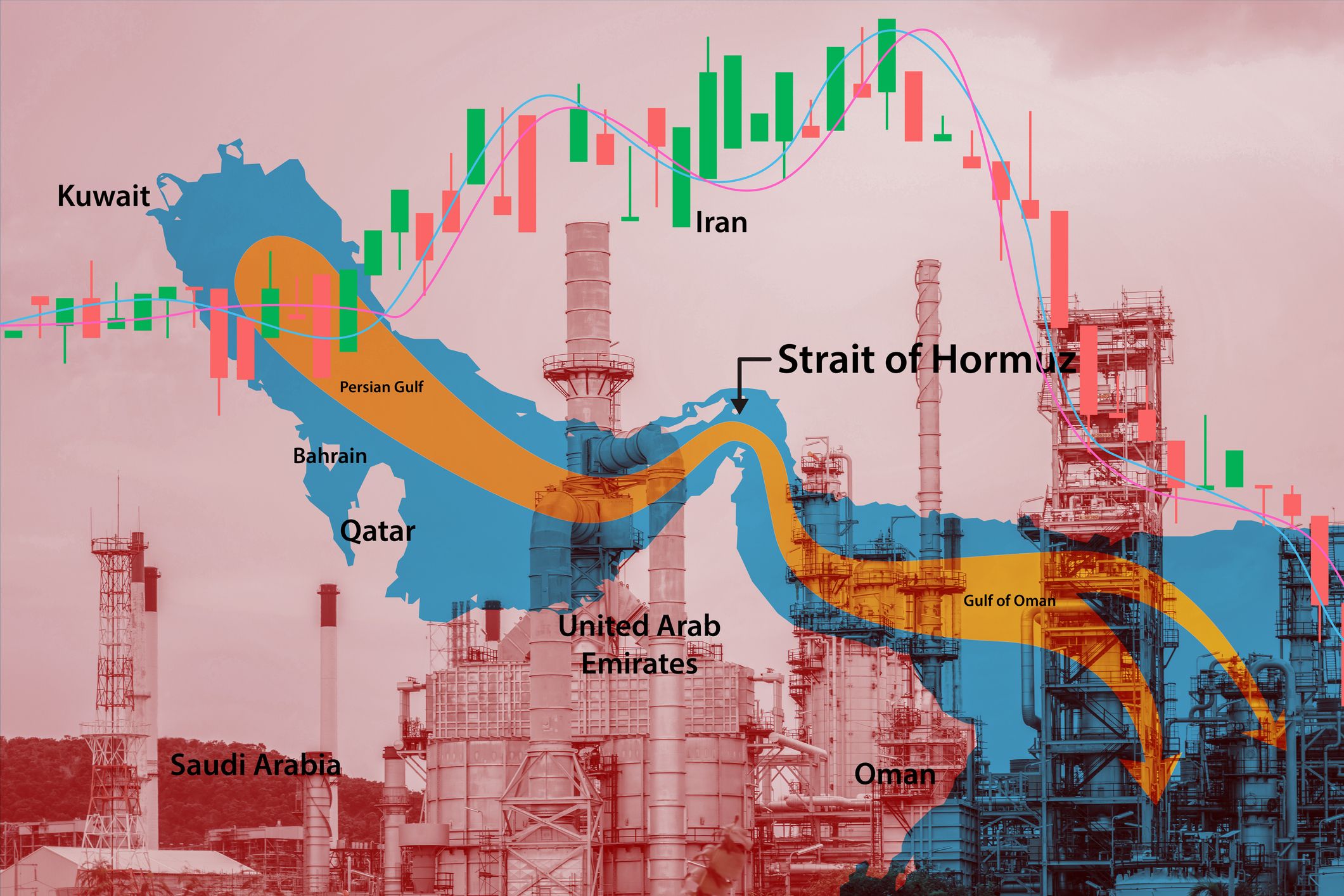
The ongoing conflict between the United States and Iran has significantly diminished the economic sway of the Gulf states, a prominent financial expert claims. According to Matthew Lynn, the war’s aftermath has resulted in the erosion of the region’s global influence.
Lynn contends that the turmoil triggered by the conflict has disrupted international trade flows and dented investor confidence. The confluence of these factors has led to a substantial decline in the Gulf states’ economic clout, with far-reaching implications for the global economy.
The Gulf states, which have traditionally been major players in the oil market, have seen their oil production volumes impacted by the conflict. This reduction in supply has contributed to higher energy prices and exacerbated the region’s economic woes.
Furthermore, the war has created a power vacuum that other regional actors are seeking to fill. As a result, the Gulf states’ ability to shape global economic policies and dictate market trends has been severely diminished.
Markets have reacted negatively to the conflict, with oil prices surging by over 10% since the hostilities escalated. The International Monetary Fund (IMF) has also downgraded its forecast for global economic growth due to the uncertainty created by the war.
As Lynn notes, the Gulf states’ reduced influence will have lasting effects on the world economy and could potentially reshape the balance of power in the region.
Source: original report.
Bitcoin Bears Mount Defense: Options Market Signals $52,000 Price Target
RATE HOLD, BUT RISING WORRIES: WHAT RBI MPC MEETING’S LATEST MINUTES REVEAL

Zero-Down Homeownership Dreams Realized: Native American Direct Loan Program Unlocks Housing for Veterans
About The Author
