
The Hard Costs of Easy Grades: A Growing Concern for Education
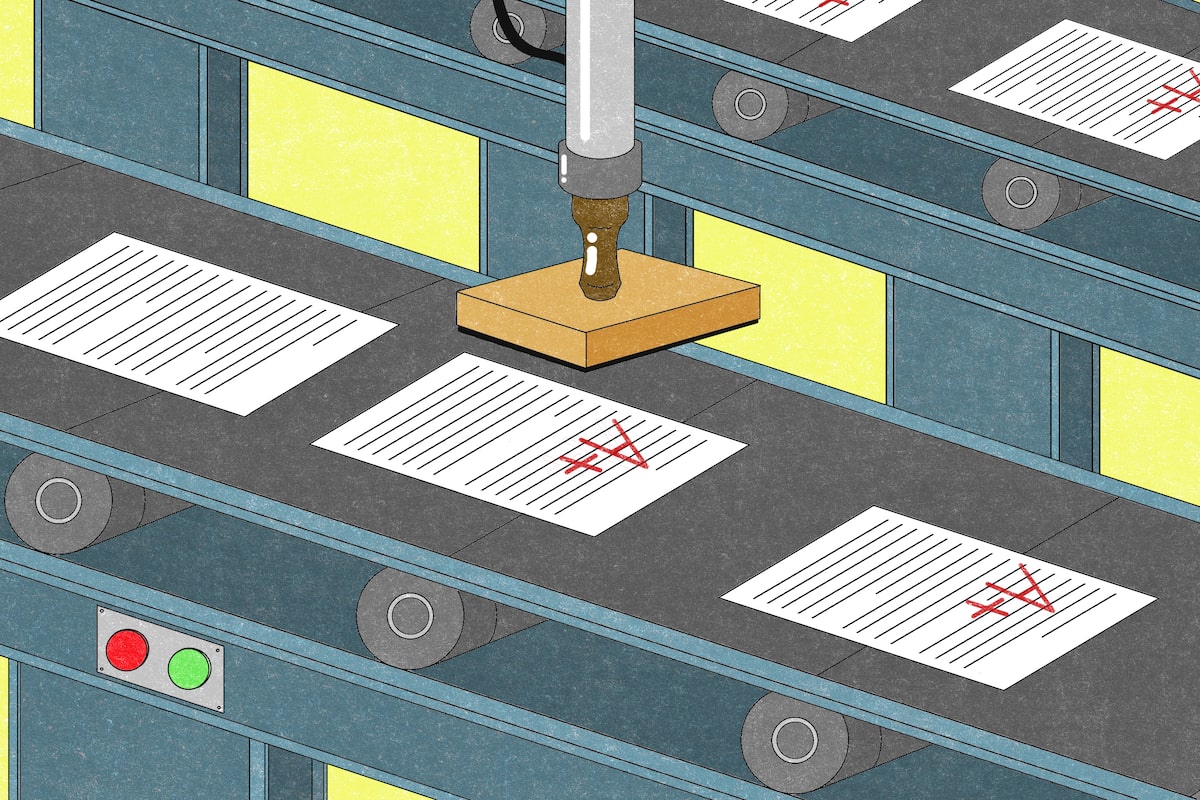
The trend of awarding easier grades to students has become a growing concern among educators and policymakers. According to recent data, high schools in England have seen a significant increase in the number of top grades awarded to students over the past few years.
Between 2017 and 2020, the proportion of A* and A grades awarded rose by 14%, with some schools reporting increases as high as 25%. While some attribute this trend to improvements in teaching quality or increased student effort, others argue that it is a result of grade inflation. Grade inflation occurs when the standards for awarding top grades are lowered over time, making it easier for students to achieve them.
Critics of grade inflation argue that it undermines the value and credibility of qualifications, ultimately harming students’ prospects in higher education and the job market. By watering down the meaning of top grades, schools may inadvertently create a culture of complacency among students, who feel pressure to conform rather than strive for excellence.
The consequences of unchecked grade inflation are far-reaching. If left unaddressed, it could lead to a devaluation of qualifications, making them less relevant and respected by employers and universities. Furthermore, the trend may perpetuate a culture of low expectations, where students are not challenged to reach their full potential.
As policymakers and educators grapple with this issue, they must consider the long-term implications of grade inflation on education standards and student outcomes. By taking steps to address this problem, schools can ensure that grades remain a fair and accurate reflection of student achievement.
Source: original report.

China’s Domestic Economy Remains Weak Despite Export Boom, Says Jefferies Report

Broad-Based Capital Expenditure to Drive India’s Next Phase of Growth

Big Tech Bonuses Raise Concerns for South Korean Economy
About The Author
