
Alan Greenspan, Longtime US Federal Reserve Chairman, Dies Aged 100
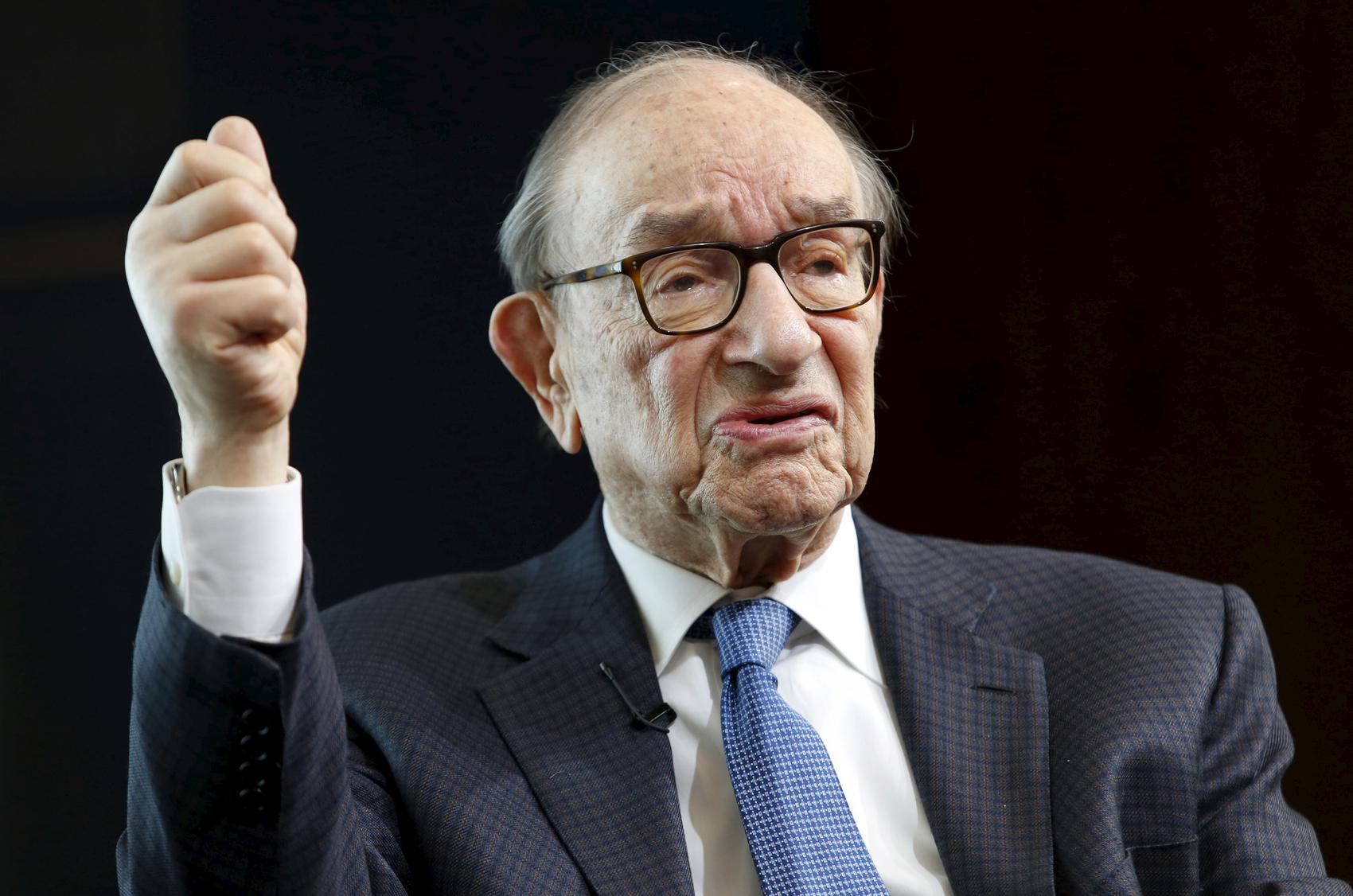
Alan Greenspan, widely regarded as one of the most influential and longest-serving chairs of the US Federal Reserve, passed away on Monday at the age of 100. NBC News reported the news, citing sources close to the family.
Greenspan’s tenure at the Fed spanned nearly two decades, from August 1987 to January 2006, during which he exerted a profound impact on the American economy. His leadership was marked by periods of economic growth and stability, earning him widespread acclaim upon his retirement in 2006.
However, Greenspan’s legacy is also marred by criticism for his role in overseeing the 2008 financial crisis, which had devastating consequences for millions of Americans. The crisis led to widespread job losses, a housing market collapse, and a severe recession that lasted from 2007 to 2009.
Despite this controversy, Greenspan’s contributions to economic policy and theory remain significant. He was a key architect of the Fed’s monetary policy framework during his time in office and was known for his advocacy of free-market principles. His influence on global economic thought is undeniable, with many economists and policymakers around the world drawing upon his ideas and writings.
Greenspan’s passing marks the end of an era at the Federal Reserve, where he served under five US presidents, including Ronald Reagan, George H.W. Bush, Bill Clinton, George W. Bush, and Barack Obama.
Source: original report.

Mortgage Rates Set to Rise as Inflation Holds Steady

Higher Mortgage Rates Take Toll on Denver Housing Market

Bond Markets Price in Two Interest Rate Hikes This Year, Analyst Warns
About The Author
